Designing & Scaling a Marketplace for Creative Spaces in Dubai
How we transformed venue booking from fragmented conversations into a trusted marketplace where people can discover, compare, book, and manage any type of space—from podcast studios and photography locations to event venues and creative workspaces.
See live product- Role
- Lead product designer
- Year
- 2023 – present
- Team
- PM, 2 Devs, QA, Growth
- Country
- Dubai
- Platform
- Web, iOS, Android, admin dashboard
The Opportunity
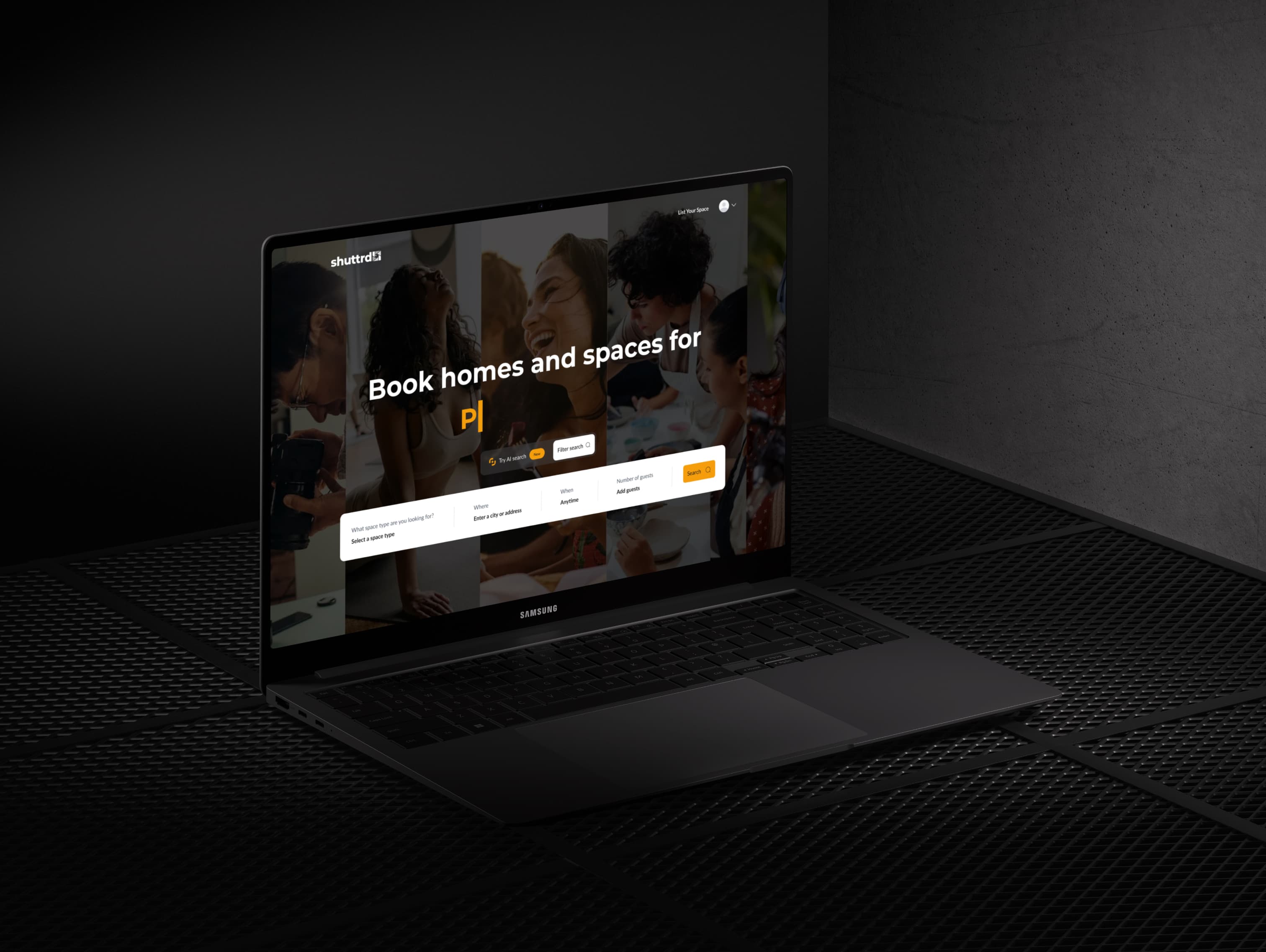
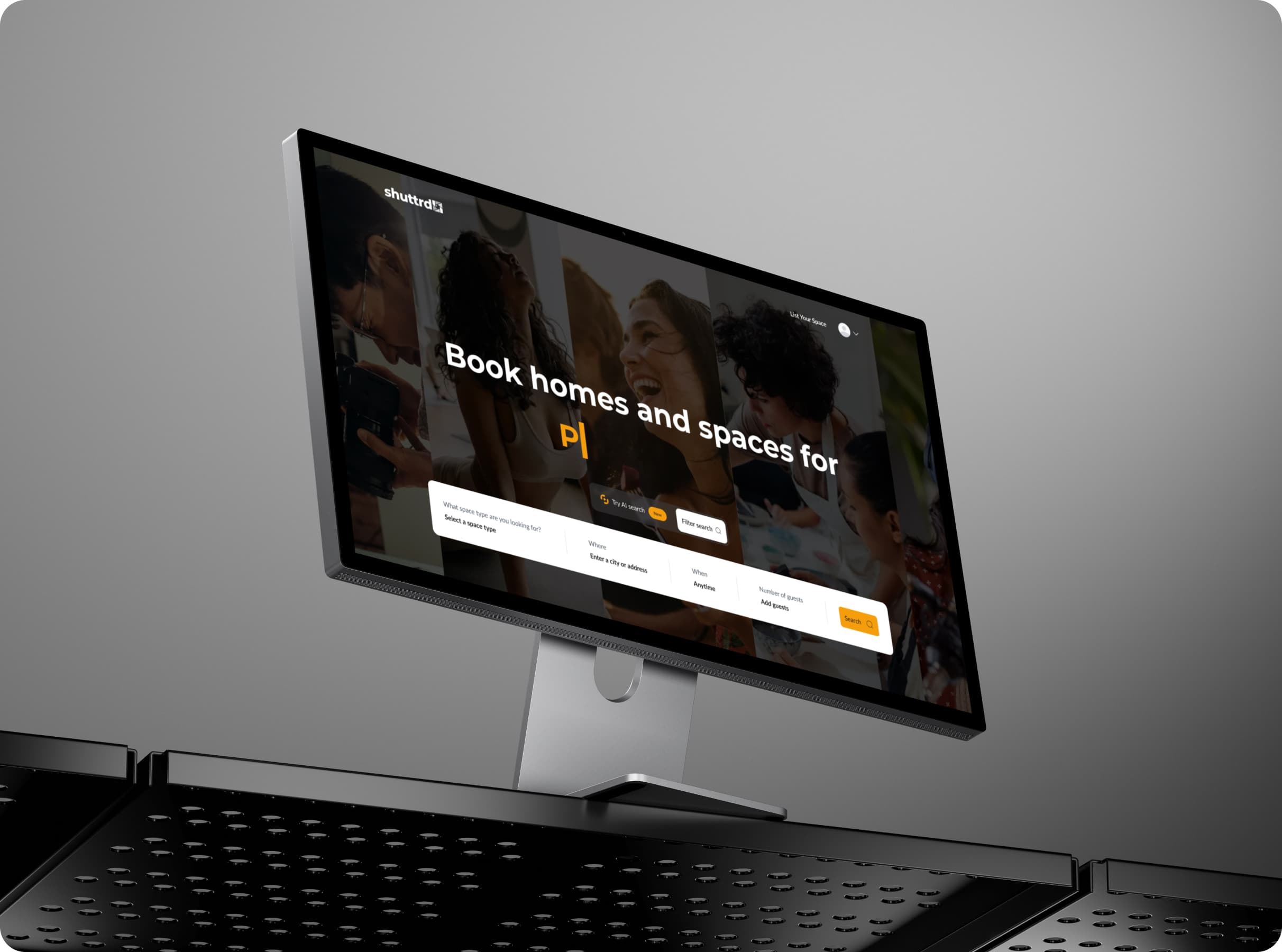
Shuttrd is a marketplace that helps people discover, compare, and book spaces for almost any purpose, from events and productions to business meetings, podcasts, to creative work. Instead of relying on scattered social media posts, phone calls, or WhatsApp conversations, users can browse verified listings, compare options, communicate with hosts, and complete bookings in one place.
My role
I was the sole Product Designer throughout the product lifecycle, working from early product definition through launch and multiple post-launch iterations. My responsibilities spanned product strategy, information architecture, user flows, interaction design, visual design, design systems, responsive web, mobile experiences, the Host Dashboard, the Admin Platform, and product evolution in collaboration with the Founder, Product Manager, Engineering, and QA.
My role evolved alongside the product, shifting from designing the first version to continuously improving the experience as new patterns emerged.
The challenge
One product. Three users. Three platforms.
Unlike a traditional mobile app with a single primary user, Shuttrd had to create value for three distinct user groups simultaneously. Designing for a marketplace meant solving more than a booking flow — Shuttrd wasn’t built around one user. It had to work for three groups whose success depended on each other.

Host
Turn available spaces into revenue with control over listings, pricing, availability, and bookings.

Guests
Discover spaces that fit their needs, compare options, book with confidence, and manage reservations.

Admin
Keep the marketplace safe and healthy by managing trust, disputes, refunds, payouts, and operational issues.
This triangle—balancing user needs against business constraints against system health—shaped every design decision.
I couldn’t design for guests without considering what it would cost hosts or operations. That forced clarity about trade-offs.
The launch
Then We Launched. And it changed everything
Until launch, every decision was based on research, workshops, competitive analysis, and informed assumptions. After launch we started learning from user interviews, usability testing, product feedback, customer complaints, observed booking behaviour, customer support, host feedback, and operations. Once real guests and hosts started using it, we began to see where the experience felt limiting—and what Shuttrd could become. Those insights shaped more than the next set of features. They influenced the product experience, visual language, and ultimately a clearer brand direction.
After launch
The Product Started Teaching Us
One of the biggest surprises after launch wasn’t discovering that people wanted more features. It was discovering that people used the marketplace differently from what we expected. The MVP had been designed around a set of assumptions. Reasonable assumptions. Evidence-based assumptions. But assumptions nonetheless.
As bookings increased, patterns started appearing. Not once. Not twice. Repeatedly. The same questions appeared in customer support. The same workarounds appeared in booking behaviour. The same frustrations appeared during conversations with hosts. Eventually, those patterns became impossible to ignore.
Instead of treating every request as a feature request, we grouped feedback by behaviour. That simple change completely changed our roadmap. We stopped asking, “What feature should we build next?” Instead we asked, “What is this behaviour trying to tell us?” That became our product process.
Booking flexibility
People needed to book spaces in different ways.
Host control
Hosts needed tools that reflected how their businesses actually operated.
Discovery at scale
A growing marketplace made finding the right space harder.
The problem
Finding a space shouldn’t feel like solving a puzzle.
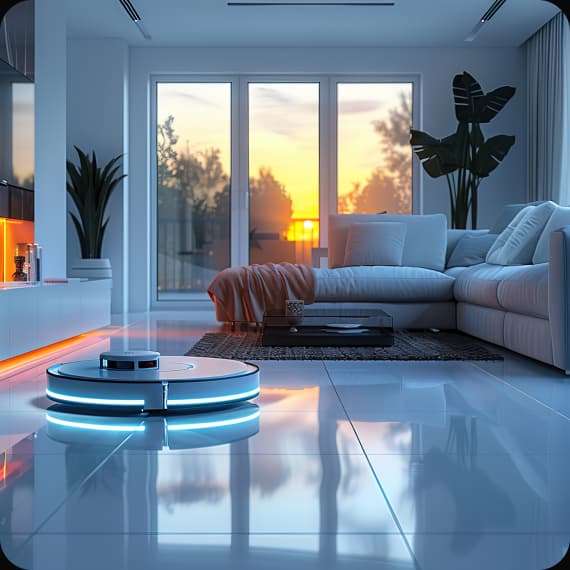
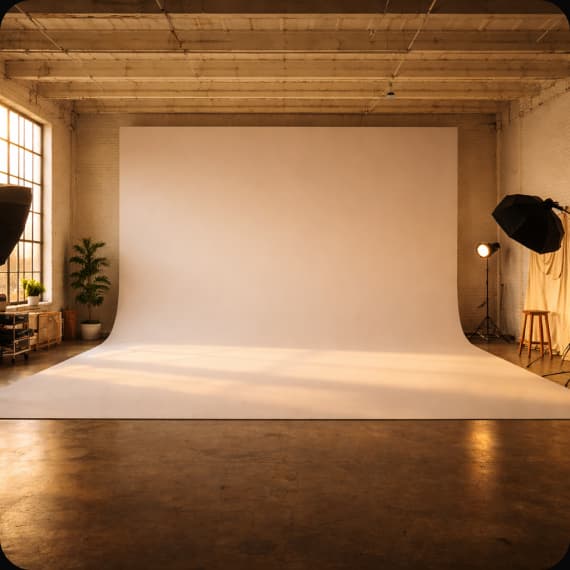
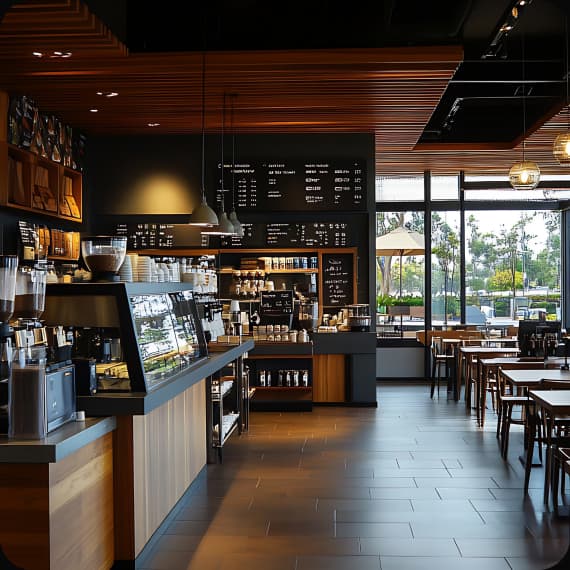
Before Shuttrd, finding a venue for anything beyond traditional events was surprisingly difficult. If you needed a podcast studio, a photography location, a rehearsal room, a rooftop for a private dinner, or a wellness space, the process usually looked like this; Search Instagram. Ask friends for recommendations. Send multiple WhatsApp messages. Wait for replies. Negotiate prices manually. Hope the venue matched its photos. Repeat if it didn’t. The experience was fragmented, slow, and built on trust between strangers rather than on a reliable platform.
At the same time, many venue owners struggled with inconsistent demand. Their spaces sat empty for much of the week because they lacked an effective way to reach new customers or manage enquiries at scale. This created an opportunity to rethink the experience from the ground up. Not by building another listing website. But by creating a marketplace where discovery, trust, booking, and management happened in one place.
Outcome
The marketplace moved from MVP validation to real usage.
- 200+
- Hosts listed
- 300+
- Completed bookings
- 150+
- Active guests
These numbers aren’t just vanity metrics. They represent activity on both sides of the marketplace—the guests creating demand and the hosts supplying it.
More importantly, the product evolved from its initial MVP into a marketplace capable of supporting:
- Flexible booking models
- Host business management
- Custom booking scenarios
- AI-assisted discovery
- Multi-city and multi-country experiences
- Operational marketplace tooling
Outcome
What I Took Away
The product didn’t become better because we predicted everything. It became better because we learned quickly.
Shuttrd changed how I think about product design. A marketplace can’t be designed entirely from a whiteboard.
Guests, hosts and operators each bring different incentives and constraints, and those realities become visible only when the product is being used.
That meant my role wasn’t simply to make flows intuitive. It was to continuously balance user needs, business goals and operational realities—and turn what we learned into product decisions.
The biggest lesson I took from Shuttrd was simple:
Good product design isn’t about getting everything right the first time. It’s about building a product that can get better as reality teaches you more.